
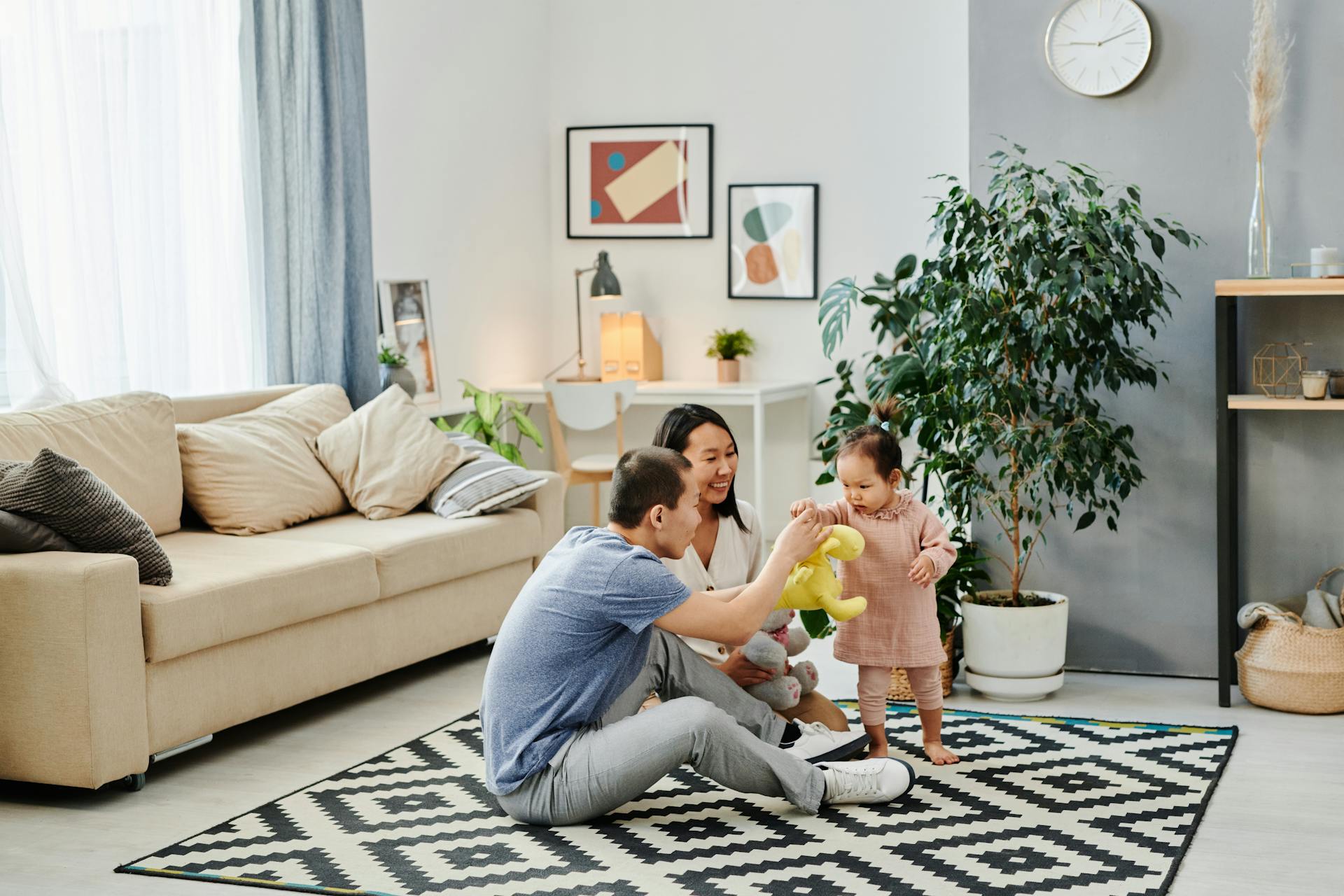
In today’s fast-paced world, the family home has become more than just a place to sleep—it’s a sanctuary, a workspace, a place for connection, and a hub for everyday life. However, with different personalities, needs, and activities under one roof, creating a peaceful, harmonious environment can be a challenge. But the good news is that it’s entirely possible to design a space where everyone feels comfortable, valued, and connected. Achieving harmony at home is about balancing personal space with shared areas, creating routines that work for everyone, and designing spaces that promote both functionality and relaxation. Here are some tips to help you create that perfect balance and transform your home into a haven for your family.
Create Defined Personal Spaces

One of the key elements in creating harmony at home is ensuring that everyone has a space where they can retreat and recharge. Personal spaces are especially important in households with multiple people, as they allow family members to have some time alone to relax or focus on personal interests. Whether it’s a cozy reading nook, a home office, or a quiet corner in the bedroom, defined spaces help everyone feel respected and valued. To keep the flow of the home intact, you don’t need to separate each room drastically. Instead, use furniture, dividers, or even decorative elements like rugs to create boundaries within shared rooms. The goal is to design areas where each family member can unwind while still maintaining a sense of connection in common areas.
Foster Communication and Family Bonding
In any home, communication is crucial for maintaining harmony. Setting aside time to talk with family members—whether it’s during family meals, evening check-ins, or weekend activities—helps everyone stay on the same page. Open communication fosters understanding and reduces the likelihood of conflict. Equally important is creating opportunities for family bonding. Regular family activities, such as movie nights, board games, or outdoor adventures, provide a shared experience that strengthens the relationships between family members. It’s about carving out time from busy schedules to prioritize connection.
Balance Work and Play Zones
With the rise of remote work and online learning, many families now juggle work and study responsibilities alongside home life. This can easily lead to confusion or clutter if there’s no distinction between “work” zones and “play” areas. In a harmonious home, it’s essential to designate specific areas for productivity—like home offices, study rooms, or creative corners—while still having space for relaxation and leisure. Having clear boundaries between these spaces helps reduce distractions and promotes a more balanced lifestyle. The kitchen table might work for casual tasks, but having a dedicated workspace allows the family to separate work from downtime, ensuring that home doesn’t feel like a constant office or classroom.
Focus on Multi-Functional Furniture

In family homes, especially those with limited space, multi-functional furniture is a game-changer. Think of furniture that serves more than one purpose: sofa beds, fold-out tables, storage ottomans, or bookshelves that double as room dividers. These pieces maximize space and functionality, allowing your home to adapt to different needs without feeling crowded or chaotic. Smart furniture choices can help maintain an organized, harmonious environment by minimizing clutter and ensuring that every inch of your space is utilized effectively. By choosing pieces that blend both style and practicality, you’ll create a home that supports both family activities and individual needs.
Establish Routines That Support Peace
A harmonious home thrives on routines that everyone can rely on. This doesn’t mean rigid schedules, but having a few key family routines can help smooth daily life. For example, having a set time for dinner, chores, or family time in the evening creates predictability and reduces stress. When everyone knows what to expect and when, the household runs more smoothly, and family members feel a sense of order and security. Routines can also support individual needs, like ensuring there’s time for quiet study, play, or self-care, as well as time for socializing or shared activities.
Encourage Flexibility and Adaptability
The modern family home isn’t static—it evolves with time. As children grow older, work schedules change, or new family members arrive, it’s important to remain adaptable. A harmonious home allows for flexibility, whether it’s adjusting your spaces for different needs or changing up routines when necessary. Encourage a mindset of compromise and flexibility within the family, as this ensures that everyone feels heard and accommodated. It also helps to reassess the needs of your home periodically and make changes as life evolves.
Incorporate Calming Elements

Creating a peaceful atmosphere is essential in promoting harmony in the home. Incorporating calming elements like soft lighting, neutral color palettes, and natural materials can help everyone feel more relaxed. Even adding plants or water features can improve air quality and create a soothing ambiance. Scent is another element that can help set the mood—aromatherapy through candles or diffusers with calming scents like lavender or eucalyptus can contribute to a serene environment. A peaceful home environment helps everyone feel more comfortable and content, contributing to overall well-being.
Creating harmony under one roof isn’t about perfection—it’s about balance, communication, and respect for each other’s needs. A family home thrives when every member feels they have their own space while also coming together in shared moments. By focusing on clear boundaries, functional spaces, and fostering connection, you can build a home where everyone feels at ease, supported, and connected.


